
Petrochemical and mining sites carry risks most industries never have to plan for: confined underground tunnels, explosive atmospheres, and locations where a dropped signal can cost more than time. 2CL helps petrochemical and mining operators keep every worker connected, tracked and safe, whatever the depth or the hazard.
Trusted by operators managing some of the UK’s most hazardous sites
- Compass Minerals
- Fawley Refinery
- BP Oil — Hamble Refinery
What this sector demands
The challenges 2CL helps petrochemical and mining operators solve
From working underground mines to refineries handling flammable substances, this sector’s communication systems have to perform where the margin for failure is smallest.
Operating in explosive atmospheres
Radios and accessories used near flammable gases, vapours or dust can themselves become an ignition source if they aren’t properly rated. ATEX-certified two-way radios are engineered so they cannot generate the spark or heat needed to ignite a hazardous atmosphere, letting teams communicate safely in classified zones.
Communicating across tunnels and remote terrain
Thick rock, long tunnel networks and dispersed surface sites block normal radio and mobile signal, often forcing staff to travel back to the surface just to pass on a message. IP-linked repeater networks carried over the site’s own fibre backbone extend digital radio coverage across every level and every acre.
Protecting lone and remote workers
Staff working alone underground or across isolated sites face risks that can go unnoticed until it’s too late. Man-down detection, lone worker check-ins and real-time location tracking via beacon handshakes mean supervisors know the moment something goes wrong, and exactly where to send help.
Meeting COMAH and public warning obligations
Sites handling dangerous substances must be able to evidence that people on and off site can be warned quickly and clearly during a major incident. Integrated public warning and COMAH alarm systems, triggered directly from the radio network, give operators an auditable, site-wide alerting capability.
Specifying equipment for the environment
Sites that don’t specify equipment built for their conditions risk communication blackouts from dust, chemical exposure or vibration at exactly the moment they’re needed most. Ruggedised, ATEX and IP-rated radios are specified and tested against the demands of each individual site before deployment.
Case study
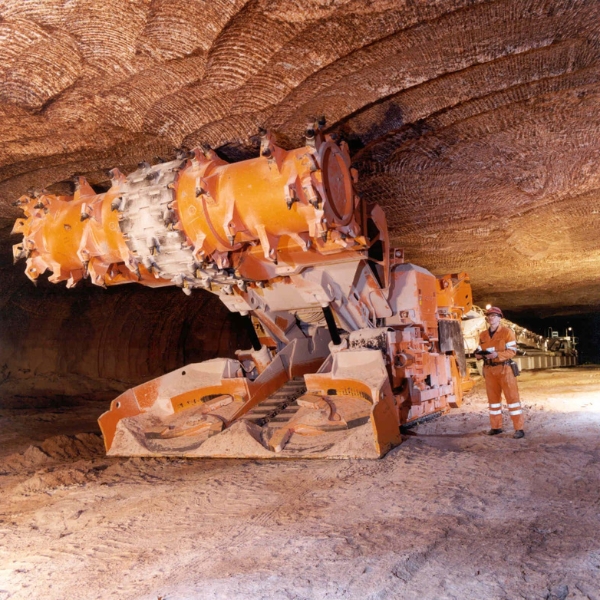
Compass Minerals — connected above and below ground for 13+ years
Compass Minerals needed a single communications system to connect underground and surface teams across the Winsford Salt Mine and the DeepStore records facility, where 20-metre rock pillars and miles of tunnels left the old analogue system patchy and unreliable.
2CL designed a fully IP-linked MOTOTRBO digital radio system with TRBOnet Enterprise, delivering man-down detection, lone worker alerts and real-time location tracking via indoor positioning beacons. Thirty repeaters now connect the site over its existing fibre network, giving teams clear, uninterrupted coverage they never had before.
2CL understood the complexity of our environment and built a system that performs flawlessly above and below ground.
Alan Wilson
Head of Engineering, Compass Minerals
How we equip this sector
Typical product mix for petrochemical and mining
Our petrochemical and mining product range is proven in some of the highest-risk environments in the UK, including a 15-year, 24/7-response maintenance contract at BP’s Hamble refinery.
Contact us
Whether you’re specifying ATEX radios for a classified zone, extending coverage across an underground network, or reviewing your COMAH public warning arrangements, our team can advise on the right system for your site. Get in touch to arrange a site survey.
Related reading
Guide
COMAH compliance considerations for public warning and alarm systems
How public warning and mass notification systems help operators of dangerous substance sites evidence robust emergency planning and meet regulatory expectations.
Guide
Two-way radios for emergency communication
A look at the man-down detection, GPS tracking and noise-cancelling features that keep lone and remote workers safe when an incident happens.
Guide
What is an IP rating?
A plain-language explanation of Ingress Protection ratings, and why the right rating matters when specifying radios for dusty, wet or hazardous industrial sites.